

Why a Leisure Routine Matters
We live in a world that celebrates productivity above all else. Every moment is supposed to yield something tangible — progress, profit, achievement. But here's the thing: you can't run at full speed indefinitely. Your body needs rest. Your mind needs space to wander. Your soul needs moments that don't have an outcome attached.
A personal leisure routine isn't about being lazy. It's about being intentional. It's deciding that certain times, certain spaces, and certain rituals are non-negotiable parts of who you are. When you build a routine around leisure — whether that's café visits, quiet reading sessions, or long conversations over çay — you're not stealing time from your life. You're actually investing in it.
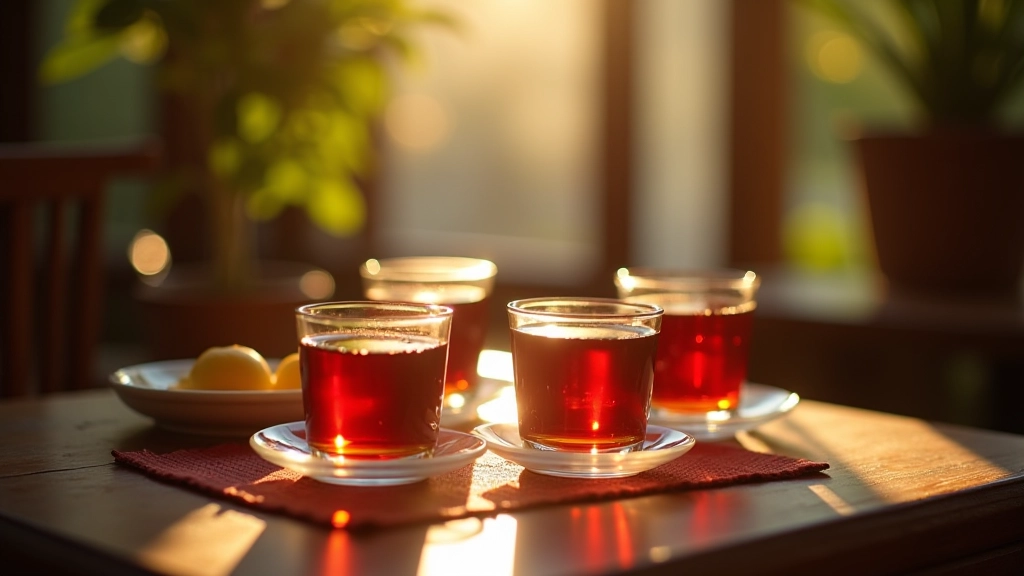
The Turkish tradition of the çay session teaches us this beautifully. A gathering for tea isn't rushed. It doesn't have an agenda scribbled on someone's phone. It simply is — people present, time flowing, no clock ticking urgently overhead. That's what we're building here: your own version of that sacred unhurried time.
Finding Your Anchor Space
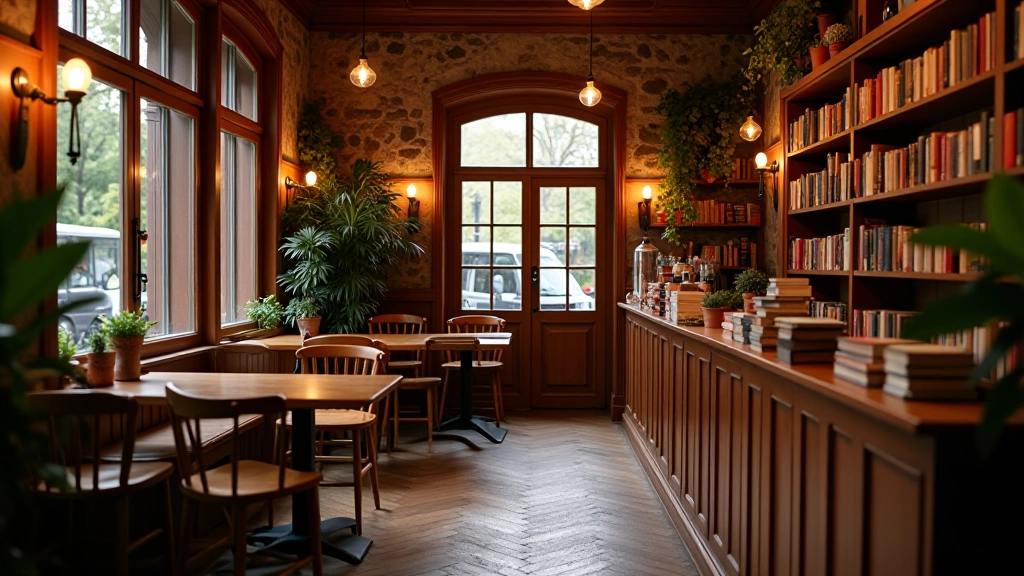
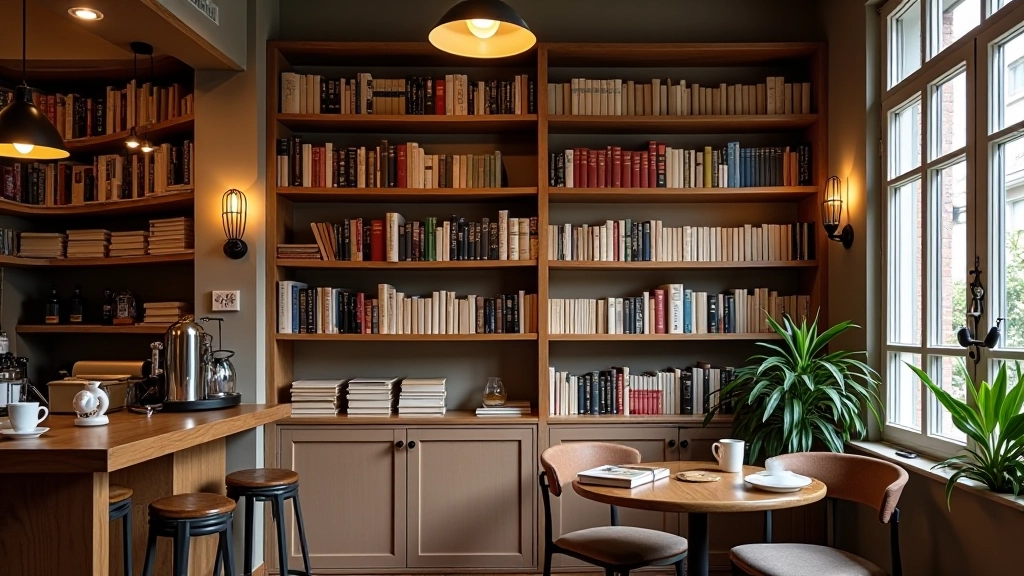
Every good routine needs a home base. For some people that's a corner café with big windows and a familiar barista. For others it's a bookshop café where you can browse while sipping something warm. The key is finding a space that actually makes you want to show up — not because you have to, but because being there feels right.
What makes a café work as your leisure anchor? Comfortable seating matters more than you'd think. If your back hurts after 20 minutes, you won't stay. Good lighting changes everything — soft, warm light makes you feel calm; harsh fluorescents make you anxious. And there's something about background noise that's important. Complete silence can feel isolating. But a café with gentle ambient sound, other people quietly going about their day? That creates a sense of community without demanding anything from you.
Your anchor space should feel welcoming when you arrive. Maybe they know your name. Maybe they have your usual order ready. Maybe the staff just leaves you alone to your book. Whatever it is, it should feel like a place where you belong.


Timing: The Rhythm That Works for You
There's no universal "best time" for leisure. Some people are morning people — they'll wake up early specifically to sit in a quiet café before the day gets loud. Others find their peace in late afternoons, when the lunch rush has passed but before evening crowds arrive. And some thrive in the evening hours, when cafés take on a different energy entirely.
The important part is consistency. Pick a rhythm that actually fits your life. If you say you'll visit your café every Tuesday evening but you're always exhausted on Tuesdays, that won't work. You'll skip it, feel guilty, and eventually abandon the whole idea. Instead, be honest about when you actually have energy for leisure.
Start small. Even two hours a week is meaningful if it's truly protected time. Maybe that's Saturday morning, 9 to 11. Or Wednesday after work, 6 to 7:30. The frequency matters less than the reliability. Your mind and body start to anticipate it. They prepare for it. That anticipation itself becomes part of the benefit.
The Activities That Fill Your Hours
Leisure time without structure often becomes scroll time. You show up at your café with good intentions, then spend two hours on your phone without really enjoying anything. To build a meaningful routine, you need activities that actually engage you.
Reading is the obvious choice, and it works beautifully. You don't need anything fancy — a novel, a poetry collection, even a magazine you've been meaning to get to. The point is something that pulls your attention away from the anxious chatter in your head. Writing works too. Journaling, letter writing, even just free-flowing thoughts on paper. Some people sketch or do small art projects. Others prefer conversation — deep, wandering conversations with a friend that don't follow any agenda.
The key is choosing activities that don't feel like obligations. If reading feels like work because you're pushing through a book you're not enjoying, that's not leisure — that's productivity wearing a leisure costume. Pick things that genuinely bring you joy. And be willing to switch it up. Some weeks you might be in a reading phase. Other weeks you're more in a conversation mood. Your routine should be flexible enough to accommodate that.
Building Consistency Without Rigidity
Here's where many leisure routines fail: they become too rigid. You decide you'll visit your café every Monday and Thursday at 7 PM sharp. But then work runs late one Monday. You get sick one Thursday. Your friend wants to meet on a different day. Suddenly you're breaking your "routine" and feeling like you've failed.
Real consistency isn't about never missing. It's about having a clear intention that you return to. Your leisure routine isn't a gym membership with a contract. It's more like a relationship with a place and a practice. Some weeks you'll visit twice. Some weeks once. Occasionally you'll skip a week entirely. And that's okay, as long as you keep coming back.
The magic happens after about 4-6 weeks of regular visits. Your brain starts to recognize the pattern. Your body anticipates the calm. The café staff remembers you. The space becomes genuinely comfortable, not just physically but emotionally. You're not trying to relax anymore — you actually relax because the space and routine have taught you how.

Conclusion: Making It Stick
Building a personal leisure routine isn't complicated, but it does require intention. You need to choose your space thoughtfully. You need to pick a timing rhythm that actually fits your life. You need activities that genuinely engage you. And you need to give it time — at least a month or two — before you judge whether it's working.
But here's what happens when you do: you're not just getting a hobby. You're creating a sanctuary. You're building a relationship with a place and a practice that reminds you — week after week — that your life is allowed to have spaces in it that don't produce anything. Spaces that just exist. That's not selfish. That's essential. And in a world that's always demanding something from you, that kind of intentional leisure becomes an act of resistance and an act of self-care all at once.
Your routine starts small. A single café visit. One quiet hour. From there, it grows into something that shapes how you experience your entire week.
Important Note
This article provides educational information about building leisure routines and café culture. Individual experiences with leisure practices vary based on personal circumstances, preferences, and cultural backgrounds. The suggestions offered are intended for informational purposes and should be adapted to your own lifestyle, health considerations, and local context. Consult with healthcare professionals if you have specific wellness concerns.